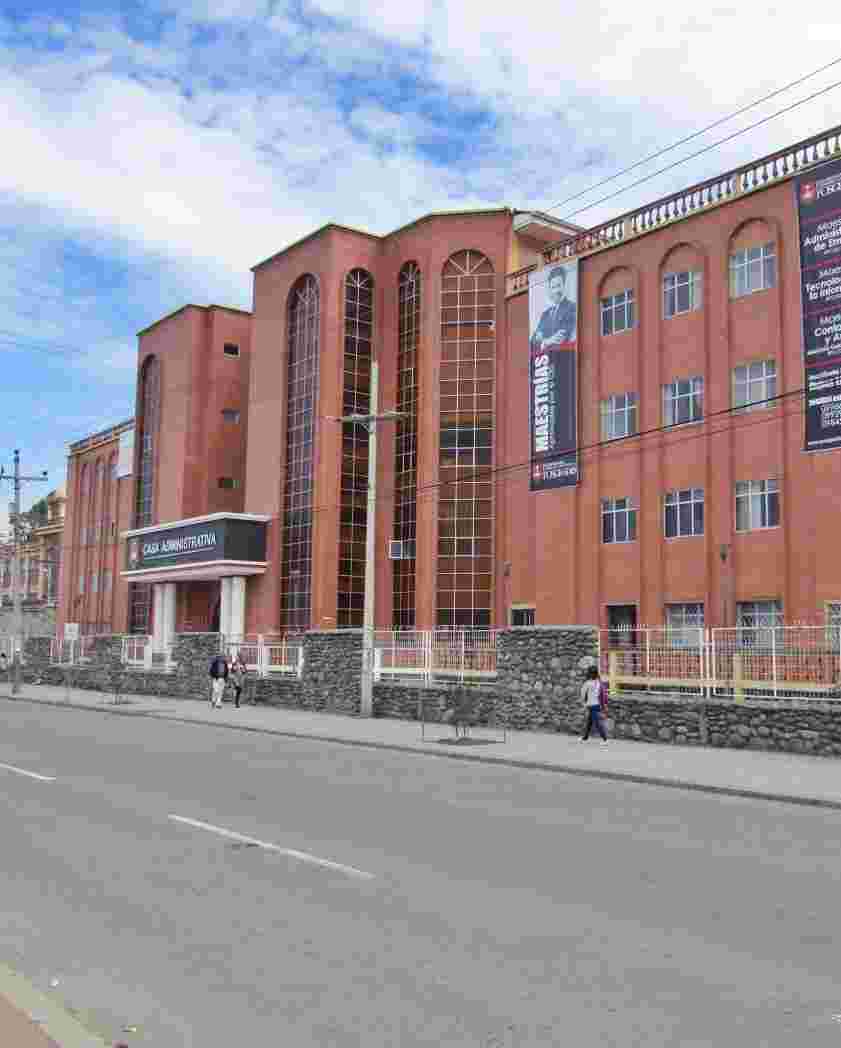
Diseño de espacios educativos: refuncionalización arquitectónica, del subsuelo de la Unidad Académica de Ingeniería, Industria y Construcción
Cargando...
Fecha
Autores
Título de la revista
ISSN de la revista
Título del volumen
Editor
Universidad Católica de Cuenca.
Resumen
The analysis of the subsurface of the Academic Department of Engineering, Industry, and Construction of the Catholic University of Cuenca reveals an infrastructure with pedagogical deficiencies that are outdated to the 21st century. The lack of socializing, rest, and collaborative work areas negatively impacts the student experience. In order to address these issues, a Design Thinking approach is proposed to interpret students' needs, i.e., a user-centered approach aimed at solving problems through creativity and empathy, considering environmental factors. Architectural research emphasizes the importance of gathering authentic user feedback and promoting active learning. The architectural proposal aims to optimize space utilization, offering flexibility and efficiency. The economic feasibility and low environmental impact of the proposed solution are highlighted. In summary, the degree work aims to develop the pre-project functionalization of the subsurface area of the Academic Department to revitalize the educational environment, prioritizing students’ needs and promoting a sustainable and functional design.
Descripción
El análisis del subsuelo de la Unidad Académica de Ingeniería, Industria y Construcción de la Universidad Católica de Cuenca revela una infraestructura con deficiencias pedagógicas, obsoletas para el siglo XXI. La falta de áreas de socialización, descanso y trabajo colectivo afecta negativamente la experiencia estudiantil. Para abordar estos problemas, se propone un enfoque basado en Design Thinking para interpretar las necesidades de los estudiantes, es decir un enfoque centrado en el usuario que busca resolver problemas a través de la creatividad y la empatía, considerando los aspectos ambientales. La investigación arquitectónica enfatiza la importancia de recopilar las opiniones genuinas de los usuarios y promover el aprendizaje activo. La propuesta arquitectónica busca optimizar el uso del espacio, ofreciendo flexibilidad y eficiencia. Se destaca la viabilidad económica y el bajo impacto ambiental de la solución propuesta. En resumen, el trabajo de titulación tiene como objetivo desarrollar la refuncionalización a nivel de anteproyecto del subsuelo de la Unidad Académica para revitalizar el entorno educativo, priorizando las necesidades de los estudiantes y promoviendo un diseño sustentable y funcional.
Palabras clave
ARQUITECTURA EDUCATIVA, FACTORES AMBIENTALES, DESIGN THINKING
Citación
APA